

Blog
Understanding the Root Causes of Insomnia in the UK

The Scope of the Problem in the UK
Insomnia — difficulty falling asleep, staying asleep or waking too early — is not just a nightly annoyance. In the UK it affects a significant portion of adults, especially when it becomes persistent rather than occasional. For example, around one in three people in Scotland alone report sleep difficulties.
Poor sleep leads to daytime tiredness, irritability, reduced concentration and impacts overall quality of life
Key Root Causes of Insomnia
Here are the most common factors that contribute to the UK’s insomnia epidemic:
Stress, Anxiety and Mental Health
Emotional stress and conditions such as anxiety and depression are major triggers for insomnia. Racing thoughts, worry about work or family, and underlying mental-health issues all interfere with the ability to relax and fall asleep.
In some cases, the lack of sleep worsens the mental-health issue, creating a vicious cycle.
Lifestyle Habits & Sleep Hygiene
Our habits play a big part. Examples include:
Irregular bedtimes or wake-up times.
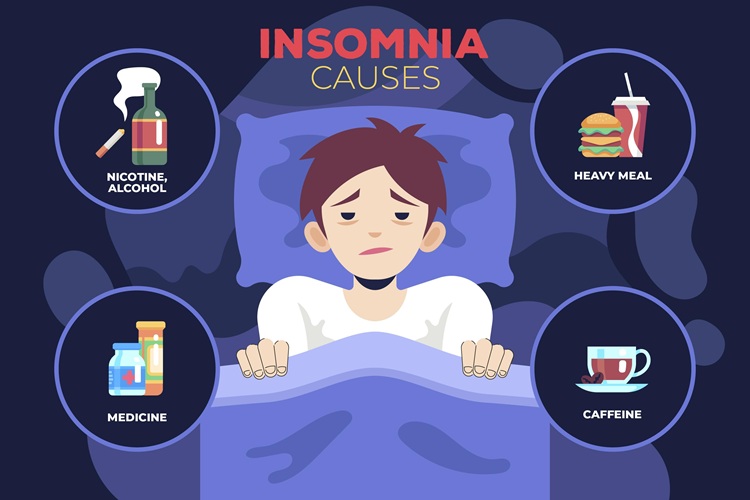
Consuming caffeine, alcohol or nicotine too late in the day.
Using screens (phones, tablets, TVs) right before bed, which interfere with the body’s readiness for sleep.
Poor bedroom environment — too hot or cold, noisy, too much light, uncomfortable mattress or pillows.
Work Patterns, Shift Work & Circadian Disruption
People working irregular hours, night shifts or crossing time zones are more prone to insomnia. Disruption to the body’s internal “clock” (circadian rhythm) makes it difficult to fall asleep at conventional times.
For example, jet lag and shift work are explicitly listed by the UK’s health services as causes.
Underlying Health Conditions & Medication
Various medical issues can contribute to insomnia, including:
Hormonal changes (e.g., menopause)
Pain, arthritis, asthma, acid reflux, thyroid problems.
Sleep disorders such as Sleep apnoea, Restless legs syndrome.
Side-effects of medications.
Why It Matters: The Wider Impact of Sleeplessness
Persistent insomnia doesn’t just mean a bad night — it can hamper your performance at work, impact mood and relationships, and may exacerbate other health conditions.
In the UK context, understanding the multitude of causes helps us frame insomnia not as a standalone symptom but as a signal that something may need addressing — whether it’s work stress, lifestyle, or a medical issue.
What You Can Do: Practical Steps to Help
While this article focuses on causes, recognising them is the first step to action. Some suggestions include:
Establish a consistent bedtime and wake-time routine.
Create a sleep-friendly bedroom environment (quiet, dark, slightly cool, comfortable bed).
Cut caffeine, alcohol and heavy meals late in the evening.
Limit screen time at least 1 hour before bed.
Seek help if you suspect an underlying health condition or if insomnia lasts for weeks.
When to Seek Professional Help
If you’ve tried improving your habits and environment and still struggle with sleep, it may be time to consult your GP or a sleep specialist. Chronic insomnia often has a treatable root cause.
At Pure Meds UK we believe that good sleep is foundational to health and wellbeing. By understanding what causes insomnia in the UK context, you’re better equipped to take positive steps and seek timely support.
Buy Sleeping Pills Online Only At Pure Meds UK


